Professional Mould Removal in London: Safe, Thorough, and Lasting Results
Mould in a London property is not just unsightly — it is a health hazard and, under Awaab's Law, a legal liability. Effingham Construction provides professional mould removal and remediation with 9 years of specialist experience and a commitment to workmanship that lasts.
Mould in London Properties: More Than a Surface Problem
Mould growth in a London property is one of the most commonly misunderstood maintenance issues. It is visible, it looks straightforward to treat, and there is no shortage of products that promise to remove it. The reality is that surface treatments alone — bleach, anti-mould paint, or proprietary sprays — do not address the underlying cause. Within months, the mould returns. Often, it returns worse.
Effingham Construction has spent nine years working on London's residential and commercial properties, and in that time we have seen the consequences of inadequate mould treatment more times than we can count. A coat of anti-mould paint applied over active mould growth is not a solution. It is a delay — and one that typically makes the eventual remediation more expensive and more disruptive than if the problem had been addressed properly from the outset.
Understanding the Cause Before Treating the Symptom
Effective mould removal in London begins with a clear understanding of why the mould is present. Mould requires three things to grow: moisture, a food source (almost any organic material, including paint and plaster), and warmth. Remove the moisture, and the mould cannot survive. Apply a surface treatment without removing the moisture, and the mould will return.
The most common causes of mould in London properties are:
Condensation is the most prevalent cause, particularly in older properties with solid masonry walls, single-glazed windows, and limited ventilation. Warm, humid air from cooking, bathing, and breathing meets cold surfaces and deposits moisture. Over time, this creates the conditions for mould growth on walls, ceilings, window reveals, and in corners where air circulation is poor.
Structural damp — rising damp from ground level or penetrating damp through external walls, roofs, or around window and door frames — introduces moisture directly into the building fabric. This type of damp is often misidentified as condensation and treated incorrectly as a result.
Plumbing leaks — whether from a slow drip behind a wall, a failed pipe joint beneath a floor, or a leak from an appliance — introduce moisture into concealed areas where it can persist for months before becoming visible as mould or staining.
Our approach to professional mould removal in London begins with identifying which of these causes — or which combination — is responsible for the mould growth in your property. We use calibrated damp meters, thermal imaging cameras, and, where necessary, trace and access investigation to establish the root cause before any treatment work begins.
Our Mould Remediation Process
Once the cause has been identified and addressed, the remediation itself follows a structured process designed to produce results that are both safe and lasting.
Containment and Protection
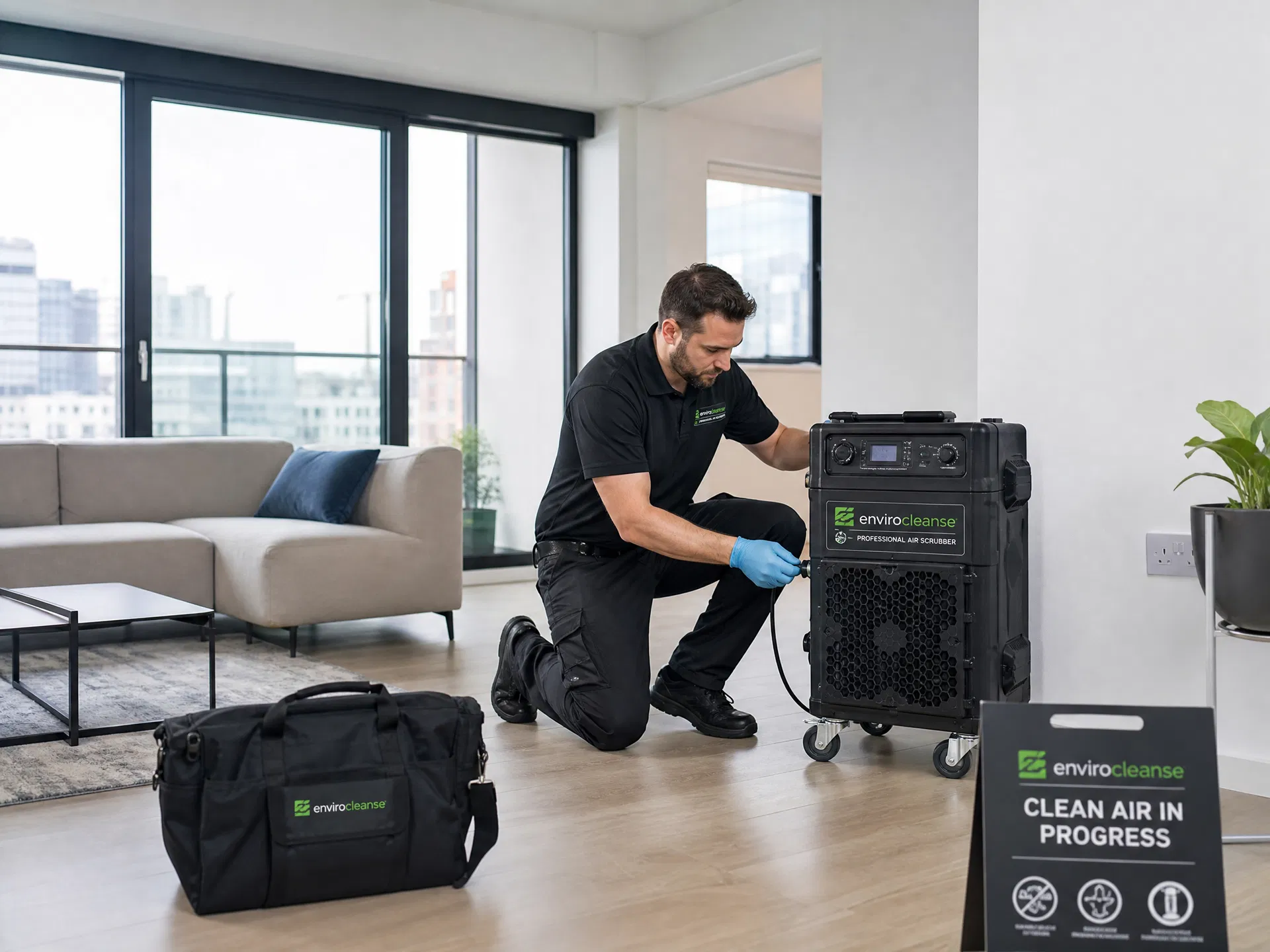
Where mould growth is significant, we establish containment to prevent spores from spreading to unaffected areas of the property during the remediation process. This is particularly important in occupied properties and in buildings with shared ventilation systems.
Safe Removal of Affected Materials
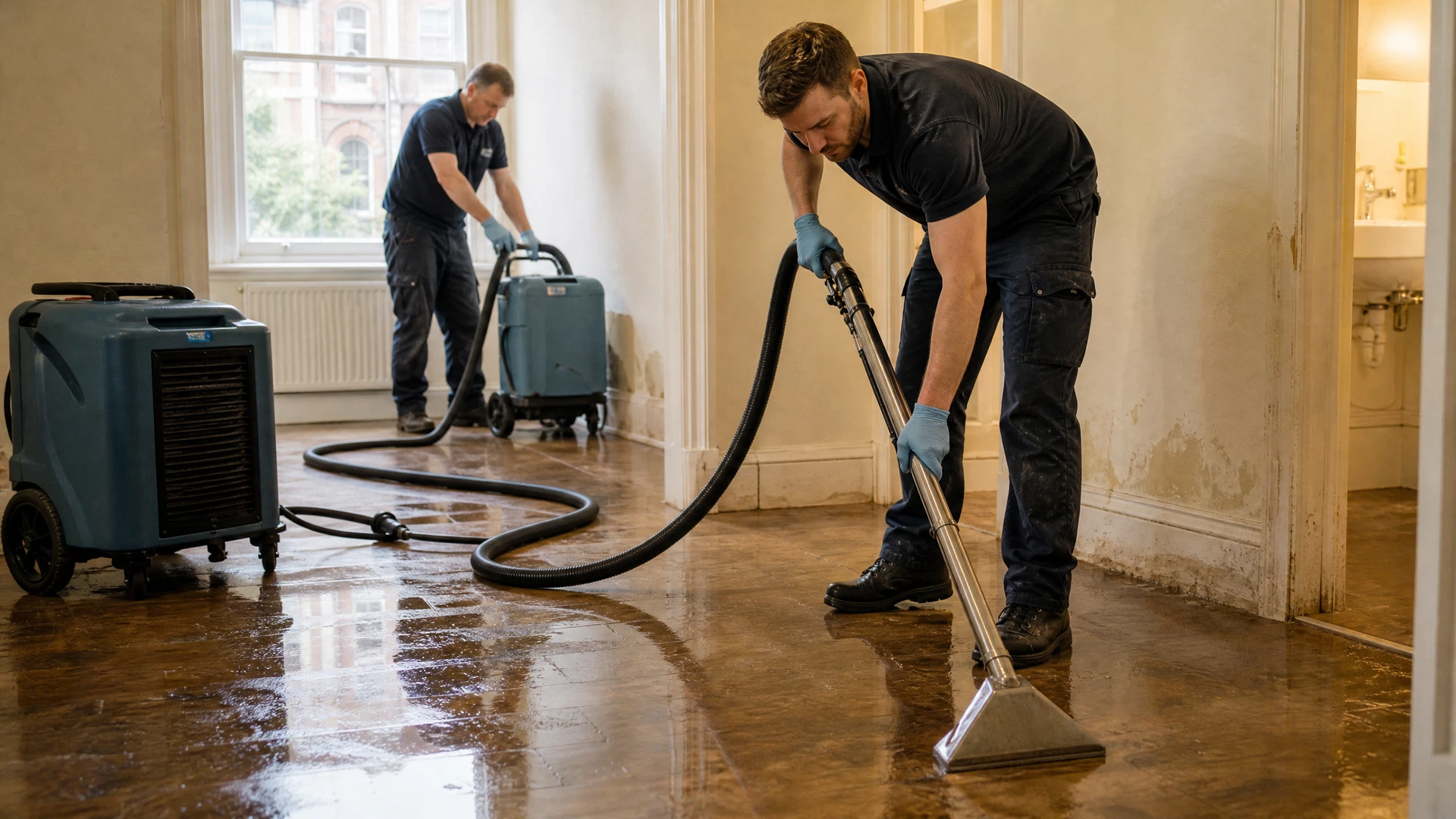
Mould-affected plasterboard, insulation, floor coverings, and joinery are carefully removed and disposed of in accordance with waste regulations. Where materials can be treated and retained, we use HEPA-filtered equipment and appropriate biocidal treatments to eliminate the mould colony. We do not apply surface treatments over active mould growth.
Treatment of the Structure
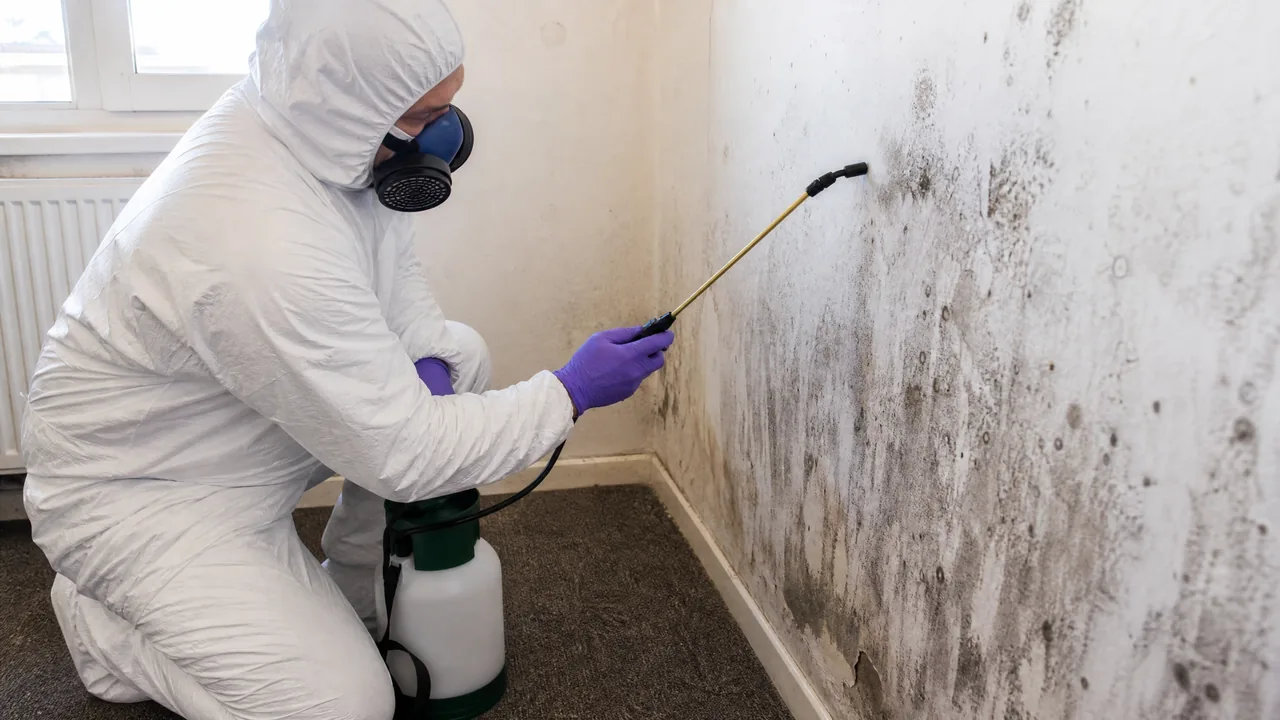
Exposed masonry, timber, and concrete are treated with professional-grade biocidal solutions to eliminate residual mould spores and inhibit regrowth. This stage requires both the correct products and the correct application method — a distinction that matters considerably in practice.
Reinstatement to the Highest Standard
This is where the quality of Effingham Construction's work becomes most apparent. Reinstating a mould-affected area is not simply a matter of skimming and painting. It requires matching existing finishes, replicating original details, and delivering a result that is indistinguishable from the surrounding, unaffected areas. With nine years of experience working on London's finest residential interiors, our team has the skills and the standards to deliver reinstatement work that our clients are genuinely proud of.
| Stage | What We Do | Outcome |
|---|---|---|
| Root Cause Investigation | Damp meters, thermal imaging, trace and access | Identifies the moisture source accurately |
| Containment | Sealed work areas, HEPA filtration | Prevents spore spread during remediation |
| Material Removal | Strip-out of affected plasterboard, insulation, finishes | Eliminates the mould colony at source |
| Biocidal Treatment | Professional-grade treatment of exposed structure | Inhibits regrowth on retained surfaces |
| Reinstatement | Full restoration to original specification | Lasting result indistinguishable from pre-mould condition |
Awaab's Law and Your Legal Obligations
The legal landscape around damp and mould has changed significantly in recent years. Under the provisions of Awaab's Law — introduced through the Social Housing (Regulation) Act 2023 and extended to the private rented sector through the Renters' Rights Act 2024 — landlords and managing agents face defined timescales for investigating and resolving damp and mould complaints.
A mould complaint that is not investigated and resolved promptly creates a documented liability. HHSRS assessments, local authority enforcement notices, and civil claims from tenants are all live risks for landlords who do not act. The cost of professional mould remediation in London is invariably less than the cost of enforcement action or litigation.
Effingham Construction works with private landlords, managing agents, and block managers across London to resolve damp and mould issues quickly, thoroughly, and with full documentation to support compliance records and insurance requirements.
Why Craftsmanship Matters in Mould Remediation
Most contractors can remove mould. Far fewer can remove it properly and then reinstate the affected area to a standard that does justice to the property. This distinction matters enormously in high-specification London properties, where the quality of the finish is as important as the quality of the remediation.
Effingham Construction was founded on a commitment to craftsmanship. In nine years of working on London properties, we have built a reputation for delivering work that is not merely functional but genuinely excellent. That reputation is why our clients — managing agents, private landlords, and homeowners — return to us when they need black mould removal in London or damp and mould removal carried out to the highest standard.
If you have a mould problem in your London property, contact us today for an honest assessment and a clear, detailed quotation.
📞 020 4553 8809 ✉️ enquiries@effinghamconstruction.co.uk 🌐 effinghamconstruction.co.uk