Awaab’s Law Phase 2: What Social Landlords Need to Do Before 30 November 2026
Phase 2 of Awaab’s Law starts on 30 November 2026. This source-linked guide explains the wider hazard scope, statutory response times and practical readiness actions for social landlords.
Phase 2 in brief: the date and the practical change
Awaab’s Law Phase 2 comes into force on 30 November 2026. It extends the significant-hazard requirements beyond damp and mould to a wider range of housing hazards in the social rented sector. For social landlords, the immediate task is not simply to add another policy: it is to make sure reports, triage, contractor escalation, resident communication, works orders and records can operate as one controlled process.
This article is a practical readiness guide, not legal advice. The Regulations and the facts of each case govern the duty. Landlords should use the current GOV.UK Phase 2 guidance alongside their own legal, governance and operational advice.
Which hazards expand into Phase 2?
From 30 November 2026, the official Government collection says the significant-hazard requirements extend to excess cold, excess heat, falls, structural collapse, fire and explosions, electrical hazards, and domestic hygiene. Domestic hygiene includes personal hygiene and food safety.
The practical implication is a broader front door for property reports. A report about a failed heating system, unsafe stairs, a ceiling concern, an electrical defect, drainage or sanitation may need the same disciplined initial assessment as a damp-and-mould report. Teams should not wait for a complaint to use a particular phrase before considering whether a potential hazard needs to be triaged.
| Phase 2 readiness question | What to check before 30 November 2026 |
|---|---|
| Reporting routes | Can residents, staff, managing agents and contractors report a potential hazard through routes that reach the right team promptly? |
| Triage information | Does the intake capture the location, condition, household circumstances, access constraints and immediate safety concern needed for an initial assessment? |
| Hazard pathways | Are excess cold, heat, falls, structural, electrical, hygiene and relevant fire/explosion matters routed to competent assessment and delivery teams? |
| Records | Can the landlord evidence awareness, decision-making, resident communication, attendance, works and follow-up? |
The statutory timetable: build the process around the clock
The Government’s landlord guidance sets out maximum statutory timeframes. A landlord can and should act faster where circumstances require.
| Trigger or stage | Statutory timeframe described in Government guidance |
|---|---|
| Potential emergency hazard | Investigate and, if confirmed, undertake the relevant safety work within 24 hours of awareness. |
| Potential significant hazard | Investigate within 10 working days of awareness. |
| Written summary | Provide the resident with a written summary of investigation findings within 3 working days of the investigation concluding, subject to the stated exception where the property is made safe and works are completed within that period. |
| Relevant safety work | Complete within 5 working days of the significant-hazard investigation concluding. |
| Supplementary preventative work | Begin, or take steps to begin, within 5 working days. If it cannot begin then, it must start as soon as reasonably practicable and within 12 weeks. |
Readiness principle: Treat the time an organisation becomes aware of a potential hazard as a controlled operational event. The guidance describes this as “day zero”; a report received by a contractor or another relevant part of the organisation can matter just as much as one made directly to a repairs team.
What social landlords should have in place before the deadline
1. A shared reporting and triage route
Phase 2 will test the hand-offs between contact centres, housing teams, repairs teams, surveyors, managing agents and contractors. Map the route from a first report to a logged record, risk assessment, appointment, resident update and decision. Every person receiving a report should know how to escalate a concern rather than deciding informally that it can wait.
Contractors are part of this control environment. The Government guidance identifies contractor notification as one way a landlord can become aware of a potential hazard. Agree an escalation route that records when a contractor found the concern, what was observed, who was notified and what temporary safety action was recommended. The contractor’s role is to report facts and complete an agreed scope safely; the landlord remains responsible for its statutory process and decisions.
2. Clear emergency and significant-hazard decision support
Operational teams need practical prompts, not abstract categories. Use scenario-based guidance for the Phase 2 hazard groups, with escalation contacts and out-of-hours arrangements. This should help a call handler or operative recognise when further assessment is needed without suggesting that a remote script can replace competent professional judgment.
It is particularly important to separate a report of a condition from a final diagnosis. A damp mark could relate to a plumbing leak, water ingress, condensation or another issue. An unsafe-looking ceiling, stair or electrical report needs the same evidence-led approach: secure the immediate risk where required, investigate the cause and record the decision.
3. A reliable written-findings and resident-update workflow
The written-summary requirement is a delivery task, not a document produced at the end of the month. Templates should clearly set out what was found, what safety action has been completed, any follow-on work, anticipated access needs and how the resident will be kept informed.
Where a home cannot be made safe within the relevant timeframe, the Government guidance says the landlord must secure suitable alternative accommodation at its expense. Landlords should therefore rehearse who can make that decision, how placements are sourced and how residents with mobility, health, caring or schooling needs are supported.
4. Prevent recurrence, not just the visible symptom
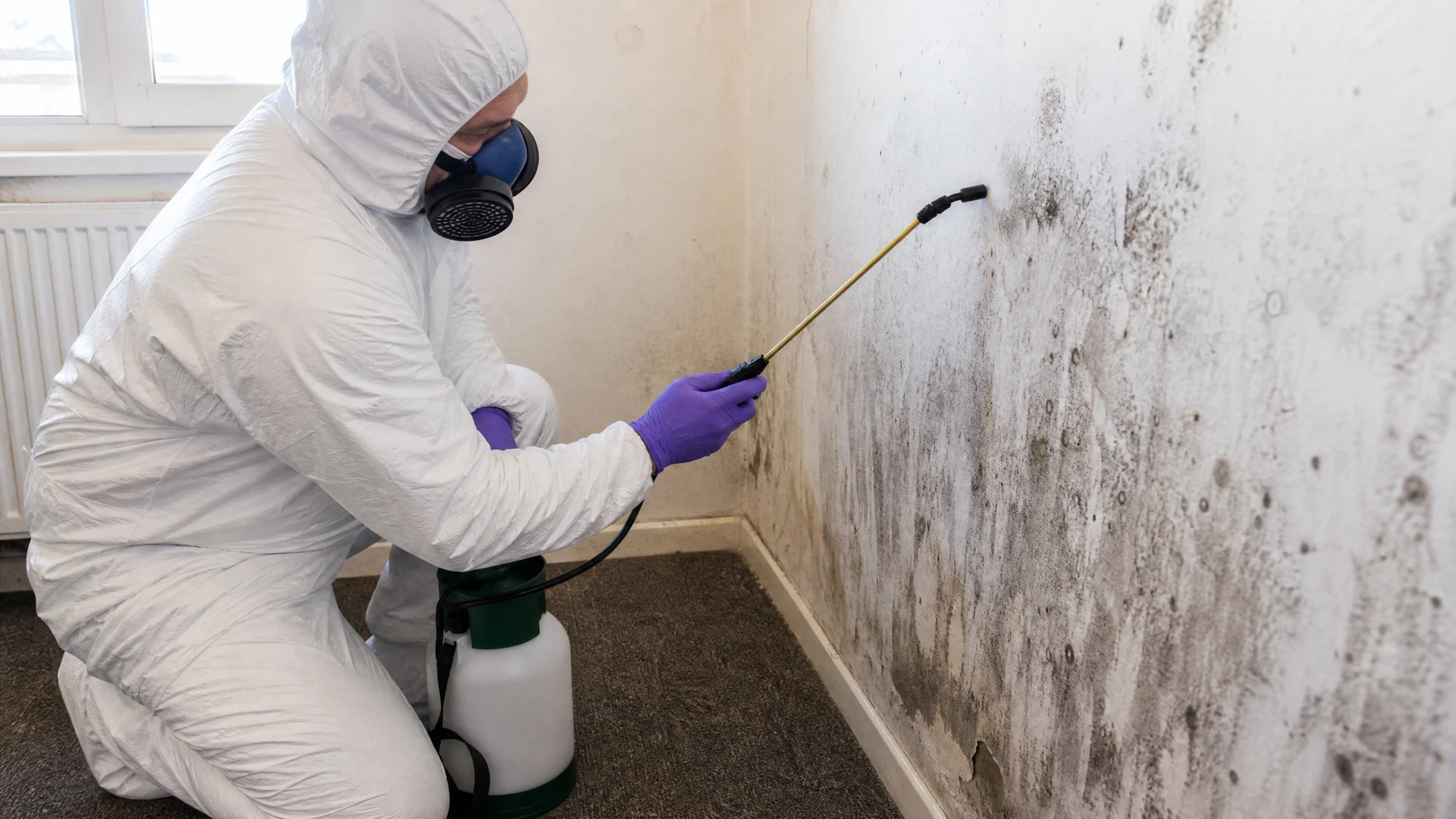
Phase 2 requires action on supplementary preventative work where it is needed to prevent a significant or emergency hazard recurring. For damp and mould, that can mean finding and addressing a moisture source, ventilation issue, insulation defect, leak or water-ingress pathway rather than only cleaning and redecorating.
The same approach applies to the expanded hazard set. A repair that makes an isolated symptom safe may be the immediate priority, while follow-on design, maintenance or access work prevents the problem returning. Works orders and asset records should distinguish the immediate safety work from the longer-term preventative scope.
5. Evidence that joins up across the case
An effective record should allow an independent reviewer to understand the timeline without relying on staff memory. That usually means keeping the initial report, awareness time, triage decision, communication log, appointment history, photographs where appropriate, investigation findings, work completion information and any preventative-work plan together.
This matters for resident confidence as well as assurance. The Housing Ombudsman’s learning on Awaab’s Law highlights the importance of knowledge and information management, repairs and clear complaint handling. A well-maintained case record makes it easier to explain the decisions taken and identify recurring building issues.
Do not make assumptions about “lifestyle” or responsibility
The official guidance is explicit that it is unacceptable to assume damp and mould are caused by a tenant’s “lifestyle” and then fail to investigate. Everyday activity such as cooking, bathing, washing and drying laundry creates indoor moisture and is not, by itself, a reason to avoid action.
For any reported condition, start with the evidence: the affected fabric, moisture or temperature conditions, visible defects, ventilation route, resident circumstances and landlord repair responsibility. Where a condition sits outside the Awaab’s Law repair requirements, the guidance still expects landlords to consider their wider policies and legal duties to keep homes safe.
Fire and electrical issues: avoid a one-size-fits-all route
Phase 2 includes electrical hazards and specified fire/explosion hazards where they meet the relevant threshold. However, the Phase 2 statutory explanatory note has an important limitation for fire hazards arising from deficiencies in Fire Safety Order-regulated parts of a building containing two or more sets of domestic premises.
Landlords should not assume that every fire-safety or fire-door issue follows exactly the same Awaab’s Law route. Assess the facts, identify the applicable statutory regime and maintain clear escalation between housing repairs, building-safety and fire-safety teams. Seek specialist legal advice where the route is unclear.
A practical 60-day readiness checklist
- Map every reporting route. Include call centres, online forms, housing officers, contractors, managing agents and out-of-hours arrangements.
- Test the triage clock. Use real or anonymised scenarios to test whether emergency and significant-hazard cases can be identified, logged and escalated at the required pace.
- Check supplier capacity. Confirm competent assessment and delivery routes for the expanded Phase 2 hazard areas, with a clear escalation procedure where specialist input is needed.
- Rehearse resident communication. Test written summaries, safety advice, access arrangements and alternative-accommodation decision making.
- Separate immediate and preventative works. Make sure systems can track the safety action and the follow-on action designed to stop recurrence.
- Audit the evidence trail. Select a sample of cases and ask whether awareness, decisions, communications and works can be reconstructed accurately.
- Review governance. Give senior owners regular reporting on volume, timeliness, repeat conditions, access barriers, complaints and supplier performance.
How Effingham Construction can support planned remedial delivery
Effingham Construction supports London property teams with practical scopes for damp and mould remediation, water-ingress investigation, planned maintenance and related reinstatement work. We work within the landlord or managing agent’s agreed reporting, access and record-keeping process; statutory triage, compliance decisions and resident obligations remain with the relevant social landlord and its advisers.
For practical remedial support after a building-condition investigation, explore our Mould Remediation & Damp Clearance service or Planned Maintenance service. For current legal requirements, always refer back to the Regulations and official Government guidance.
Official sources and further reading
- Awaab’s Law in the social rented sector — GOV.UK
- Awaab’s Law: Guidance for social landlords — GOV.UK
- Awaab’s Law Phase 2 guidance for social housing landlords — GOV.UK
- The Hazards in Social Housing (Prescribed Requirements) (England) (Amendment) Regulations 2026 — legislation.gov.uk
- Awaab’s Law learning resources — Housing Ombudsman Service